Choosing the Right Breed for Czech Living
The Czech Republic offers a mix of urban apartment living and access to open countryside. Before choosing a breed, consider your housing situation, activity level, and how much time you can dedicate to exercise and training.
Breeds Well-Suited to Prague Apartments
Many Prague residents live in flats, which rules out some high-energy breeds that need constant outdoor space. The following breeds tend to adapt well to apartment life when given sufficient daily exercise:
- French Bulldog - calm temperament, low exercise needs
- Cavalier King Charles Spaniel - gentle and adaptable
- Shih Tzu - quiet and content indoors
- Miniature Schnauzer - alert but manageable in smaller spaces
- Pug - affectionate and low-energy
Active Breeds for Czech Countryside
If you live outside the city or have regular access to forests and fields, more active breeds thrive in the Czech environment:
- Czech Shepherd (Chodsky pes) - a native Czech breed with excellent temperament
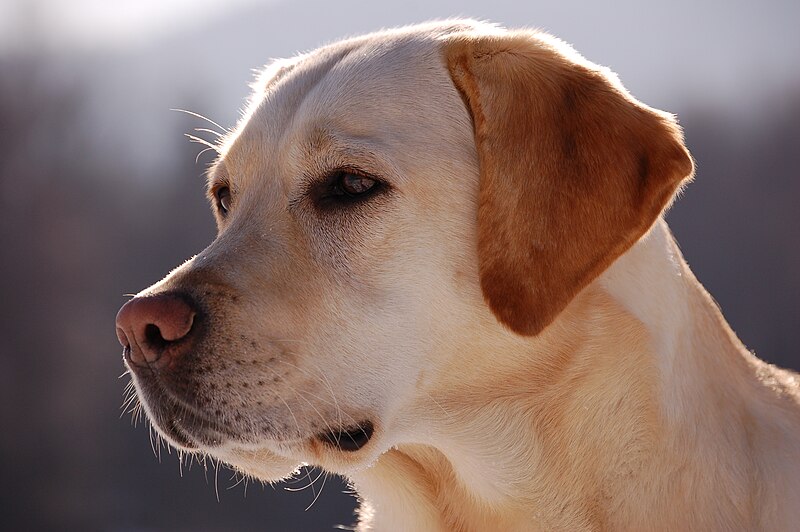
- Labrador Retriever - versatile, family-friendly, loves outdoor activity
- Golden Retriever - popular in Czech Republic, great with families
- Vizsla - energetic hunting breed suited to active owners
Czech Tip
The Chodsky pes (Bohemian Shepherd) is a native Czech breed developed in the Chod region of western Bohemia. It resembles the German Shepherd but is considered a distinct breed. If you want a dog with genuine Czech heritage, this is an excellent choice.
Legal Requirements for Dog Owners in Czech Republic
Czech law imposes several obligations on dog owners. Failure to comply can result in fines from local municipalities.
Mandatory Vaccinations
Rabies vaccination is legally required for all dogs in the Czech Republic from the age of three months. The vaccination must be renewed annually or every three years depending on the vaccine used. Your vet will issue a vaccination certificate that you should carry when travelling with your dog.
Registration and Microchipping
Most Czech municipalities require dogs to be registered with the local authority and to wear an identification tag. Microchipping is strongly recommended and required for dogs travelling within the EU. The microchip number must be registered in the Czech Central Register of Companion Animals (CICA).
Public Spaces and Leash Rules
In Prague and other Czech cities, dogs must be kept on a leash in public areas unless in designated off-leash zones. Many parks have specific areas for dogs to run freely. Always carry bags for waste disposal, as fines for not cleaning up after your dog are enforced in most cities.
Nutrition for Dogs in Czech Republic
Czech pet shops and supermarkets carry a wide range of dog food brands, from budget options to premium European products. Understanding what to look for on labels helps you make better choices for your dog's health.
Reading Dog Food Labels
Czech pet food labels follow EU regulations, meaning ingredients are listed by weight in descending order. Look for:
- Named protein source as the first ingredient (chicken, beef, salmon)
- Minimum 25-30% protein content for adult dogs
- Avoid products where cereals or by-products dominate the ingredient list
- Check for AAFCO or FEDIAF nutritional adequacy statements
Popular Dog Food Brands Available in Czech Republic
Several quality brands are widely available through Czech pet shops like Maxi Zoo, Hornbach, and online retailers:
- Royal Canin - breed-specific formulas, widely available
- Hill's Science Plan - veterinary-recommended, sold in clinics
- Brit - Czech brand with good value premium options
- Acana and Orijen - premium grain-free options available online
- Purina Pro Plan - widely stocked in Czech supermarkets
Feeding Tip
Avoid switching dog food brands abruptly. Transition over 7-10 days by gradually mixing the new food with the old. Sudden changes can cause digestive upset, particularly in sensitive breeds.
Exercise and Activity in Czech Republic
The Czech Republic offers excellent opportunities for dog exercise. Prague alone has dozens of parks with off-leash areas, and the surrounding Bohemian countryside provides trails, forests, and river banks ideal for active dogs.
Prague Dog-Friendly Parks
Some of the best areas for dogs in Prague include:
- Stromovka Park - large green space with off-leash zones
- Divoká Sarka - natural valley with trails and open areas
- Letna Park - popular with dog owners, great views of the city
- Prokopske udoli - forested valley with extensive walking paths
Seasonal Exercise Considerations
Czech winters can be harsh, with temperatures regularly dropping below -10°C in January and February. Road salt used on pavements can irritate and damage paw pads. Consider using paw wax or dog boots during winter walks, and always rinse paws after returning home. In summer, avoid walking on hot asphalt during peak afternoon heat.
Preventive Health Care
Regular veterinary care is the most effective way to keep your dog healthy long-term. Czech veterinary standards are generally high, and most cities have well-equipped clinics.
Annual Health Check Schedule
- Annual physical examination and weight check
- Rabies booster (required by law)
- Distemper, parvovirus, hepatitis combination vaccine
- Parasite screening (intestinal worms, heartworm in risk areas)
- Flea and tick prevention - ticks are common in Czech forests from March to November
- Dental check and cleaning if needed
For more information on finding a veterinarian in Czech Republic, see our Pet Health & Vets guide.
Last updated: February 2026